
Best Guitars by Player Level: Beginner to Professional Buying Guide
Buying a guitar should match the player’s real skill level, commitment level, goals, budget, and musical style. A brand-new player does not need a $3,000 guitar. A working professional should not be fighting unstable hardware, poor fretwork, or weak electronics every night. The right guitar is the one that helps the player improve, stay motivated, and perform reliably.
This guide from Gannon Luthier Services breaks down recommended guitars for introductory, beginner, intermediate, advanced, and professional players, with realistic price ranges, practical buying advice, used guitar inspection guidance, and setup considerations.

How to Choose the Right Guitar for Your Skill Level
The best guitar for a player is not always the most expensive guitar. A good match depends on comfort, tuning stability, sound, build quality, setup condition, and whether the guitar supports the player’s actual goals.
A guitar should help the player practice longer, sound better, and improve faster. If the instrument is uncomfortable, unstable, or poorly adjusted, the player may blame themselves when the guitar is actually part of the problem.
1. Introductory Player
Who this is: Someone testing the waters. They may be young, brand new, unsure if they will continue, or buying a first guitar for lessons.
Expected Price Range
$150–$350 for basic kits or entry-level acoustics. Better starter options usually begin around $250–$400.
What to Look For
- Easy playability: The guitar should not fight the player. String height should be comfortable, and the neck should feel manageable.
- Stable tuning: A first guitar should stay reasonably in tune once stretched and properly set up.
- Basic durability: Avoid instruments with loose hardware, sharp fret ends, weak tuners, or obvious structural issues.
- Complete starter value: For electric players, a kit with a small amp, cable, strap, and picks can be useful if the quality is acceptable.
- Low frustration: A cheap guitar that is hard to play can discourage a new player faster than the actual learning process.
Top 5 Recommended Options
| Image | Recommendation | Type | Why it fits |
|---|---|---|---|
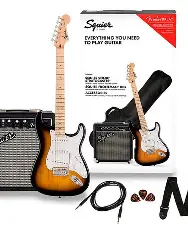 |
Squier Sonic Stratocaster Pack | Electric | Good first electric package with guitar, amp, and basic accessories. |
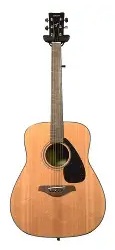 |
Yamaha FG800 / FG800J | Acoustic | One of the safest entry acoustic choices; strong value and simple design. |
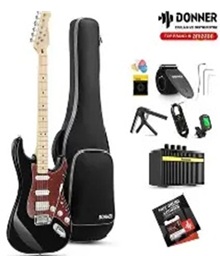 |
Donner DST-152 Kit | Electric Kit | Budget-friendly complete kit; useful if cost is the main barrier. |
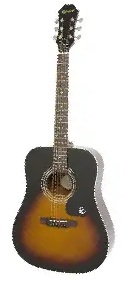 |
Epiphone DR-100 / Songmaker-style Acoustic | Acoustic | Affordable steel-string option for basic chord learning. |
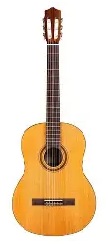 |
Cordoba C3M | Nylon Classical | Good for players who want softer nylon strings and a traditional full-size classical feel. For smaller children, a 1/2-size or 3/4-size nylon-string guitar may be a better fit. |
Best Fit
Best fit for electric: The Squier Sonic Stratocaster Pack is the best fit for most introductory electric players because it includes the guitar, amp, cable, strap, and basic accessories needed to start playing.
Best fit for a first acoustic: The Yamaha FG800 / FG800J is the safer choice because it is simple, reliable, and has better long-term usefulness than most ultra-cheap starter acoustics.
GLS Note: At this level, setup quality matters more than the logo on the headstock. A poorly adjusted first guitar can make basic chords feel harder than they should.
2. Beginner Player
Who this is: Someone with a little time playing. They know basic chords, simple riffs, maybe a few songs, and are starting to understand what style of music they like.
What matters most: Better neck feel, more stable tuning, better pickups or acoustic tone, and enough quality to last several years.
Expected Price Range
$300–$700 new. Used guitars in this class can be excellent values if inspected first.
What to Look For
- Better neck feel: The player should start noticing whether they prefer a thinner neck, rounder neck, shorter scale, or wider string spacing.
- Improved tuning stability: The nut, tuners, bridge, and string installation should all work reliably.
- More useful tone options: Electric beginners often benefit from versatile pickup layouts such as HSS, HH with coil split, or classic single-coil setups.
- Room to grow: The guitar should be good enough to last beyond the first few months of lessons or self-study.
- Setup potential: A good beginner guitar should respond well to a professional setup, including action, intonation, relief, and nut adjustment.
Top 5 Recommended Options
| Image | Recommendation | Type | Why it fits |
|---|---|---|---|
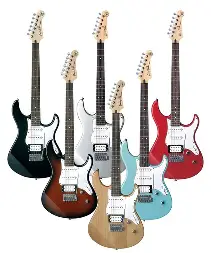 |
Yamaha Pacifica 112V | Electric | Very versatile HSS pickup layout, coil-split option, and strong build value. |
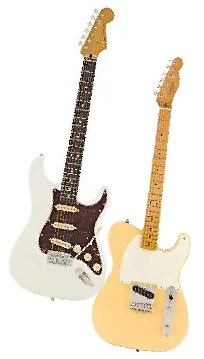 |
Squier Classic Vibe Stratocaster or Telecaster | Electric | Better than basic starter guitars; good vintage-style feel and strong resale appeal. |
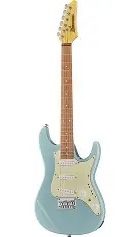 |
Ibanez AZES31 / AZES40 | Electric | Comfortable, modern beginner-to-intermediate electric with easy playability. |
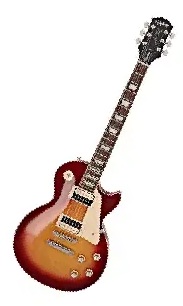 |
Epiphone Les Paul Classic | Electric | Good choice for players wanting Gibson-style humbucker tones without Gibson pricing. |
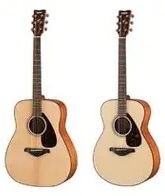 |
Yamaha FG800 / FS800 | Acoustic | Reliable, affordable acoustic option for learning rhythm, chords, and singer-songwriter material. |
Best Fit
Best fit: The Yamaha Pacifica 112V is the best fit for most beginner electric players. The HSS pickup layout gives useful clean, blues, rock, and heavier tones, while the guitar remains simple enough for a newer player.
For acoustic beginners: The Yamaha FG800 / FS800 remains one of the safest choices.
GLS Note: Beginner guitars often improve dramatically with a proper setup, especially nut slot correction, action adjustment, relief adjustment, and intonation.
3. Intermediate Player
Who this is: Someone who can play full songs, understands rhythm, basic lead work, barre chords, and tone differences. They may be playing with others, recording at home, or preparing for live performance.
What matters most: Better fretwork, better pickups, stronger hardware, improved tuning stability, and a guitar that fits a specific musical direction.
Expected Price Range
$700–$1,200 new. Used examples may fall around $500–$900, depending on model and condition.
What to Look For
- Stronger hardware: Bridges, tuners, output jacks, switches, and pots should be more reliable than entry-level parts.
- Better fretwork: Intermediate players usually need cleaner frets, better bends, lower action, and fewer dead spots.
- Style-specific features: At this level, the player should start choosing based on genre, pickups, bridge type, scale length, and neck shape.
- Recording and live use: The guitar should be quiet enough, stable enough, and comfortable enough for rehearsals, home recording, and smaller gigs.
- Good resale value: Intermediate guitars should hold enough value that the player can upgrade later without losing too much money.
Top 5 Recommended Options
| Image | Recommendation | Type | Why it fits |
|---|---|---|---|
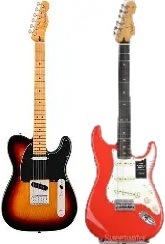 |
Fender Player II Stratocaster or Telecaster | Electric | Strong mid-level Fender option with good long-term usefulness. |
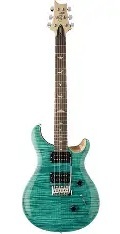 |
PRS SE Custom 24 | Electric | Versatile, reliable, and good for rock, worship, studio, and cover-band work. |
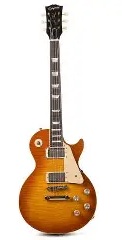 |
Epiphone Inspired by Gibson Les Paul Standard | Electric | Good humbucker platform for rock, blues, country-rock, and heavier tones. |
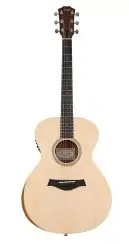 |
Taylor Academy 12e | Acoustic-electric | Comfortable acoustic-electric with approachable feel and useful live performance capability. |
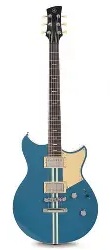 |
Yamaha Revstar Standard RSS20 | Electric | Strong modern alternative with good build quality and a distinct voice. |
Best Fit
Best fit: The PRS SE Custom 24 is the best fit for most intermediate electric players because it is versatile, comfortable, and capable of covering many styles without requiring major upgrades.
For intermediate acoustic players: The Taylor Academy 12e is a strong choice because it is comfortable, stage-friendly, and easier to play than many larger acoustics.
GLS Note: Intermediate players should start judging guitars by fretwork, tuning stability, electronics reliability, and whether the guitar supports their actual playing style. This is where a used guitar inspection can prevent an expensive mistake.
4. Advanced Player
Who this is: A serious player with years of experience. They know what neck shape, pickups, scale length, fret size, bridge type, and tone response they prefer.
What matters most: Professional playability, reliable electronics, consistent fretwork, stable hardware, better resonance, and the right tool for the player’s actual style.
Expected Price Range
$1,200–$2,500 new. This is where guitars start becoming serious long-term instruments rather than stepping stones.
What to Look For
- Professional playability: The guitar should allow accurate fretting, clean bends, solid tuning, and consistent feel across the entire neck.
- Specific neck preference: Advanced players should know whether they prefer a C, D, V, slim taper, chunky, modern, or vintage-style neck profile.
- Better pickups and electronics: Pickups should match the player’s tone goals, and the controls should feel solid and reliable.
- Long-term serviceability: The guitar should be worth maintaining, refretting, upgrading, and professionally setting up over time.
- Performance reliability: Hardware, tuning stability, strap buttons, jack, switch, and bridge should be dependable enough for regular playing or gigging.
Top 5 Recommended Options
| Image | Recommendation | Type | Why it fits |
|---|---|---|---|
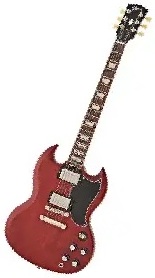 |
Gibson SG Standard | Electric | Classic professional-grade rock and blues instrument. |
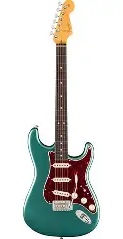 |
Fender American Professional II Classic Stratocaster | Electric | Strong U.S.-made Fender option for serious long-term use. |
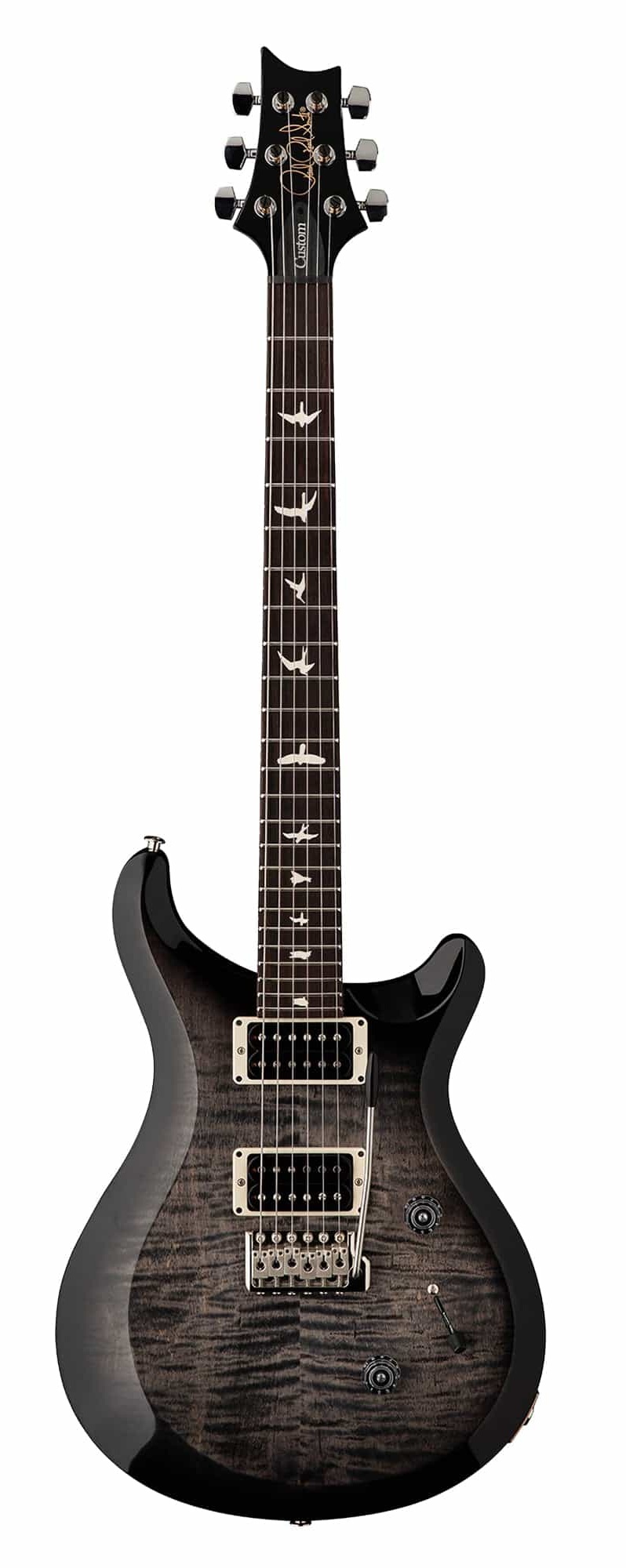 |
PRS S2 Custom 24 | Electric | Good bridge between SE and Core PRS lines; stage-capable and versatile. |
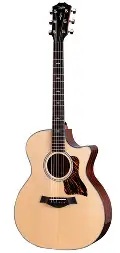 |
Taylor 214ce / 314ce | Acoustic-electric | Excellent for serious acoustic players, worship players, singer-songwriters, and live performance. The 214ce serves as a lower-cost serious acoustic-electric option and the 314ce fitting more squarely into the advanced category. |
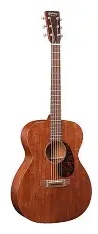 |
Martin 000-15M / D-15M | Acoustic | Serious all-mahogany acoustic tone with strong long-term value. |
Best Fit
Best fit: The Fender American Professional II is the best fit for many advanced electric players who need a serious, reliable, long-term instrument.
Players who prefer thicker humbucker tones may be better served by the Gibson SG Standard. For advanced acoustic players, a Taylor 214ce / 314ce or Martin 000-15M / D-15M is a better fit depending on tone preference.
GLS Note: Advanced players should not buy only by brand name. At this level, the neck profile, fret condition, nut work, bridge design, pickup voicing, and serviceability matter more than the decal on the headstock.
5. Professional Player
Who this is: A working player, session musician, touring player, high-level studio guitarist, or lifelong player who needs a dependable instrument that performs under pressure.
What matters most: Stability, tone, fretwork, hardware, electronics, consistency, repairability, and whether the guitar can survive real professional use.
Expected Price Range
$2,500–$5,000+ new. Custom shop and boutique instruments can go much higher, but more expensive does not automatically mean better for every player.
What to Look For
- Stage and studio reliability: A professional guitar must work consistently under real conditions, including long sessions, travel, lighting heat, and repeated tuning changes.
- Excellent fretwork: Frets should support clean intonation, accurate bends, low action, and consistent response without buzzing or choking out.
- Stable hardware and electronics: Tuners, bridge, nut, pots, switches, output jack, and pickups need to be dependable, not merely acceptable.
- Predictable tone: The guitar should deliver the sound the player needs night after night, without requiring excessive correction from pedals, amps, or EQ.
- Professional fit: The instrument should match the player’s job: touring, session work, worship, theater, teaching, recording, or high-level personal use.
Top 5 Recommended Options
| Image | Recommendation | Type | Why it fits |
|---|---|---|---|
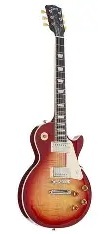 |
Gibson Les Paul Standard ’50s or ’60s | Electric | Professional rock, blues, country, and studio staple. |
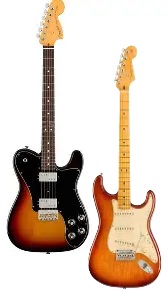 |
Fender American Professional II Stratocaster / Telecaster | Electric | Reliable professional Fender platform for live and studio use. |
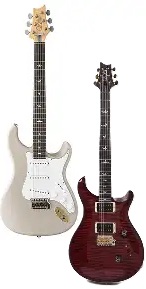 |
PRS Core Custom 24 / PRS Silver Sky | Electric | High-end build quality, strong tuning stability, and professional versatility. |
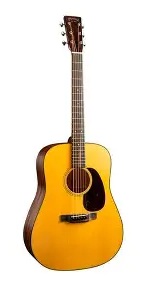 |
Martin D-18 | Acoustic | Industry-standard professional dreadnought acoustic guitar. |
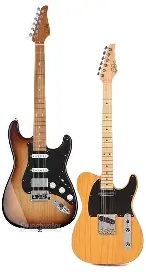 |
Suhr Classic S / Classic T | Electric | Boutique-level professional instrument with strong build quality and professional performance capability. |
Best Fit
Best fit: The Fender American Professional II Stratocaster or Telecaster is the safest professional electric choice for players who need reliability, versatility, and easy serviceability.
For players who need classic humbucker power, the Gibson Les Paul Standard is the better fit. For professional acoustic work, the Martin D-18 is one of the strongest long-term choices.
GLS Note: Professional players should treat the guitar as a working tool. Before serious live or studio use, the instrument should be checked for fret accuracy, nut work, tuning stability, electronics reliability, strap security, and backup-readiness.
Frequently Asked Questions
What is the best guitar for a beginner?
A good beginner guitar should be comfortable, stay in tune, and have a proper setup. Yamaha, Squier, Epiphone, Ibanez, and Cordoba all make useful beginner-level options.
How much should a beginner spend on a guitar?
Most beginners should expect to spend about $300 to $700 for a solid guitar that can last beyond the first few months.
Should I buy a used guitar?
A used guitar can be a good value, but it should be checked for neck condition, fret wear, electronics, cracks, bridge issues, and setup problems before purchase.
Does a new guitar need a setup?
Many new guitars benefit from a setup. Factory setup is often general, while a professional setup adjusts the guitar to the player, string gauge, tuning, and playing style.
Need Help Choosing, Inspecting, or Setting Up a Guitar?
Gannon Luthier Services can help evaluate a new or used guitar, identify setup issues, correct playability problems, restring the instrument, and make sure it is ready for practice, lessons, recording, or live use.
Schedule a Guitar Inspection or SetupLocal service area: Gannon Luthier Services provides guitar setup, repair, cleaning, restringing, and instrument evaluation services for players in Camarillo, Ventura County, Thousand Oaks, Oxnard, Ventura, and surrounding Southern California areas.